HVAC Diagnostic in Moorpark, CA: How High Efficiency Units Can Lower Your Electric Bill
Rising electric bills are one of the first signs your HVAC system is not running efficiently. In Moorpark, CA, even mild weather swings can trigger longer runtimes if your system is aging, oversized, low on refrigerant, or fighting airflow problems. The good news is that you do not have to guess. A professional HVAC diagnostic in Moorpark, CA can show you exactly where energy is being wasted and whether a high efficiency upgrade would actually save you money.
Why your electric bill climbs when your HVAC is inefficient
Your HVAC system uses the most electricity when it has to start up often, run longer than necessary, or push air through restrictions. Common causes include:
-
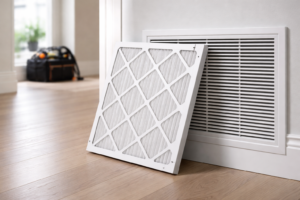
Restricted airflow from dirty filters, clogged coils, or duct issues
-
Failing electrical components that force the system to work harder
-
Low refrigerant or refrigerant leaks that reduce cooling performance
-
Poor thermostat placement or outdated controls that cause frequent cycling
-
Incorrect system size (oversized systems short-cycle, undersized systems run nonstop)
-
Leaky ductwork that dumps conditioned air into the attic or crawl space
Even small performance losses add up over a billing cycle. That is why a diagnostic is so valuable: it turns “my bill is high” into specific, fixable root causes.
What an HVAC diagnostic actually checks
When homeowners search “HVAC diagnostic Moorpark CA,” they are usually looking for clear answers, not a sales pitch. A proper diagnostic should focus on performance, safety, and efficiency, including:
System performance and runtime
-
Temperature split (difference between return and supply air)
-
Cycling behavior (short-cycling vs steady operation)
-
Airflow delivery through the system
Electrical and mechanical health
-
Capacitor and contactor condition
-
Blower motor performance and amp draw
-
Compressor behavior and start-up stress
Refrigerant and coil condition
-
Signs of refrigerant loss or improper charge
-
Evaporator and condenser coil cleanliness
-
Condensate drain function to prevent clogs and water damage
Thermostat and controls
-
Calibration and wiring integrity
-
Programming and setpoint strategy to reduce unnecessary runtime
Duct and airflow problems
-
Obvious duct leaks, restrictions, or poor returns
-
Hot and cold spots caused by distribution issues
A diagnostic is often the quickest way to identify whether your bill is high because of a repairable issue, an airflow problem, or a system that has reached the point where replacement makes more financial sense.
How high efficiency HVAC units save money on electricity
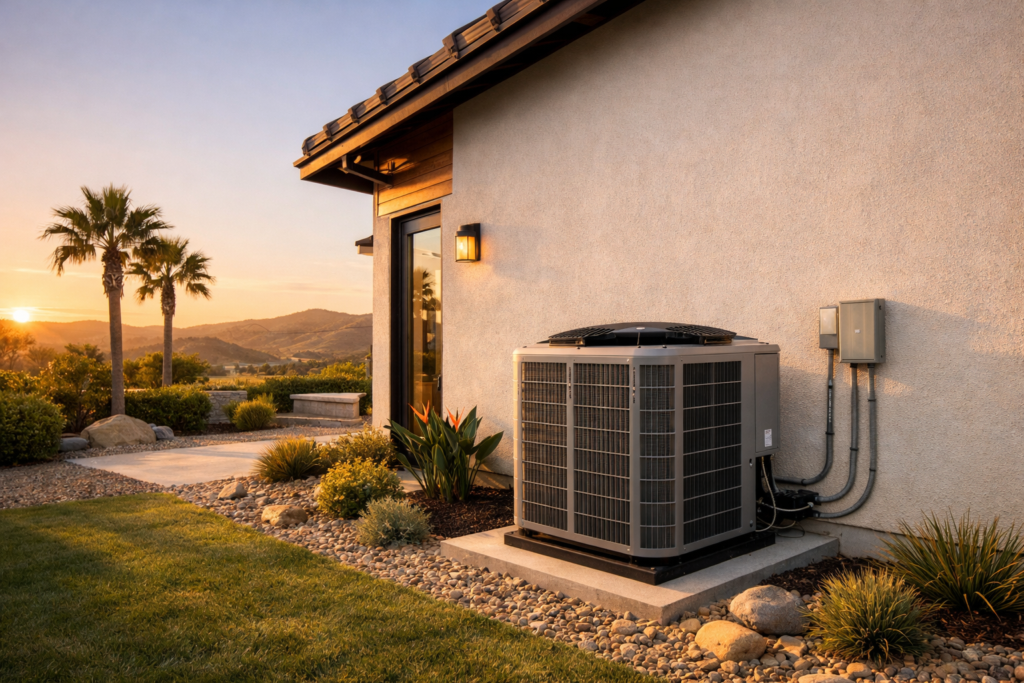
A high efficiency system saves money by delivering the same comfort with less electricity. The biggest improvements usually come from better compressors, better motors, and smarter staging.
Variable-speed and inverter technology
Many newer systems can ramp up and down instead of running full blast every time. That reduces start-stop power spikes and keeps temperatures steadier. More stable operation typically means fewer expensive peak-demand surges and less wasted runtime.
Higher SEER2 ratings and real-world efficiency
SEER2 is a modern efficiency rating that reflects updated testing methods. In general, higher SEER2 equipment delivers more cooling per unit of electricity used. ENERGY STAR guidance for tax credit eligibility also references higher performance thresholds for certain equipment categories.
Better fan motors and airflow control
ECM blower motors and improved controls can move air more efficiently, helping the system deliver comfort without overworking.
Improved humidity and comfort control
Even in Southern California, humidity control can influence comfort. Systems that manage comfort better can often run at lower power levels while still keeping the home feeling cooler.
The biggest mistake: upgrading equipment without fixing the efficiency leaks
A high efficiency unit can only perform as well as the home allows. If ducts are leaking or airflow is restricted, even a top-tier system can waste energy. A diagnostic is the right first step because it helps you prioritize improvements in the correct order:
-
Fix airflow restrictions and easy efficiency wins
-
Confirm the system is correctly charged and operating properly
-
Evaluate whether your existing equipment is worth repairing or nearing end-of-life
-
If replacement is smart, size the new system correctly and address duct issues at install
This approach protects your investment and improves the odds that your monthly bill actually drops.
Repair vs replacement: how to decide in a budget-smart way
A diagnostic should end with a simple, honest recommendation based on data. Here are practical decision points:
Replacement may be smarter when:
-
Your system is older and needing frequent repairs
-
Repairs involve major components and you still have comfort issues
-
Efficiency is poor and runtimes are long even after basic fixes
-
The system is improperly sized and cannot maintain stable comfort
Repair may be smarter when:
-
The issue is isolated (capacitor, contactor, thermostat, minor airflow correction)
-
The system is otherwise in good condition
-
You are getting solid comfort and your efficiency problems are fixable
Incentives and credits: what Moorpark homeowners should know
Incentives change often, so it is worth checking current availability before you buy. For context, the IRS Energy Efficient Home Improvement Credit (25C) was available for qualified improvements through December 31, 2025, per IRS guidance.
California also has had heat pump incentive programs, and as of late 2025 and early 2026, some TECH Clean California incentive budgets were reported as fully reserved or not accepting new reservations.
Bottom line: a diagnostic plus a replacement quote should include a quick incentive check so you understand your real net cost before you decide.
What you can do today to improve efficiency before upgrading
Even if you are not ready for a new system, these steps can reduce waste quickly:
-
Replace filters regularly and use the correct filter type for your system
-
Keep vents unobstructed and ensure returns are not blocked
-
Use thermostat schedules to reduce runtime when you are away
-
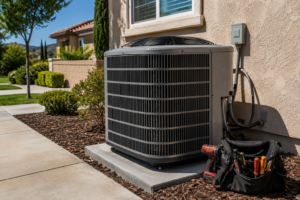
Keep the outdoor unit clear of debris and allow proper airflow
-
Address hot and cold spots early, they often signal airflow problems
A diagnostic helps confirm which of these changes will actually make a measurable difference in your home.
HVAC Diagnostic Moorpark CA: the smartest first step toward lower bills
If your electric bill is climbing or your comfort is inconsistent, the fastest path to real savings is clarity. A professional HVAC diagnostic in Moorpark, CA can show you what is driving your energy costs and whether a high efficiency unit, airflow improvements, or a targeted repair will deliver the best return.
If you want to turn your HVAC system into a money-saver instead of a money-drain, schedule a diagnostic and get a clear plan forward.